INTERVENTIONAL DERMATOLOGY

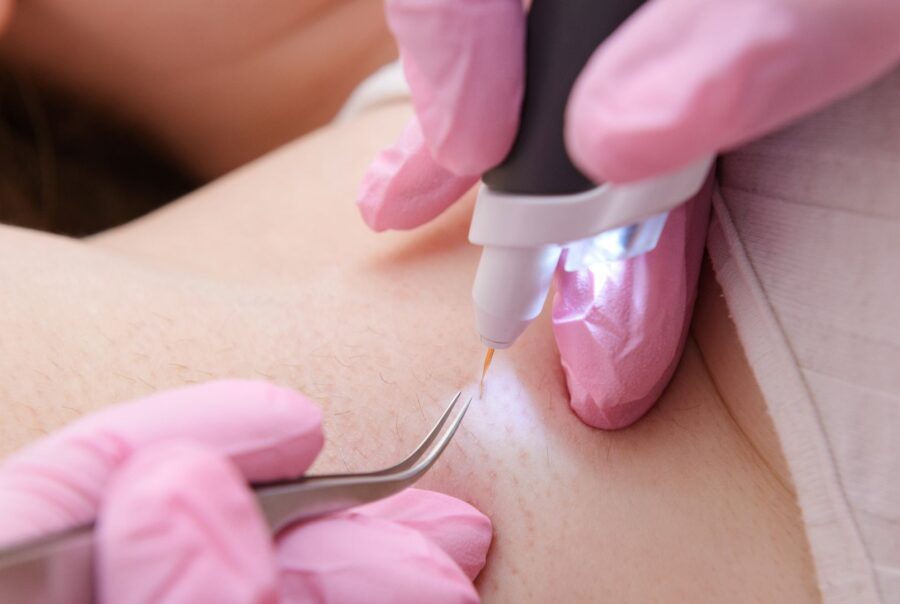
Diathermocoagulation

With diathermocoagulation we achieve the thermal destruction of selected lesions, with the help of electric current.

It is a safe and effective treatment method when applied by a qualified dermatologist.

This therapeutic method is usually used to treat benign skin lesions, such as papillomas, warts, seborrheic hyperkeratosis, etc.

It is a painless procedure because before the application of diathermocoagulation, a local anesthetic is applied.

The treatment is immediate and one session is usually enough.
Cryotherapy

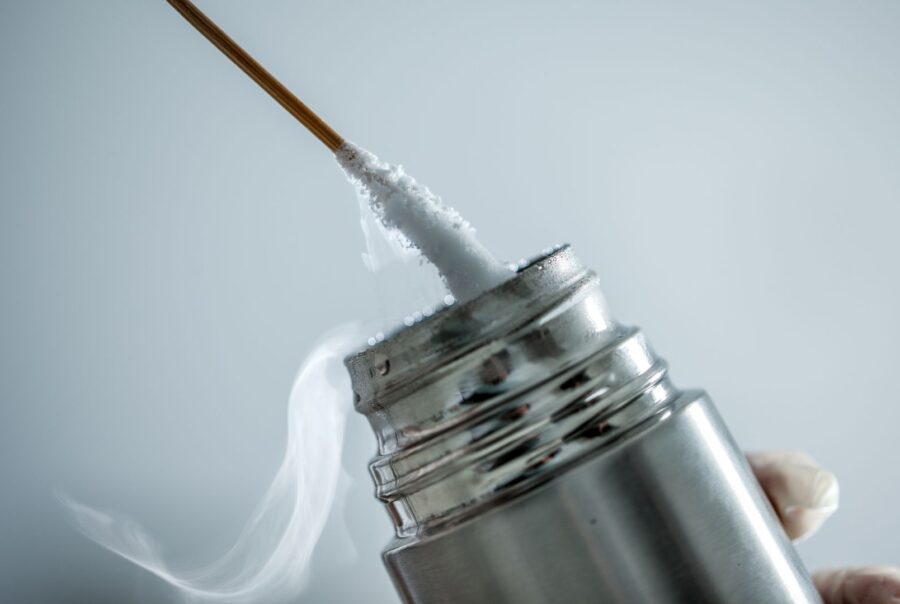
Cryotherapy or cryocoagulation is the application of cold to destroy skin lesions.

It is a popular, classic and effective treatment method that is mainly applied by Dermatologists.

Liquid nitrogen with a temperature of -196 degrees Celsius is usually used as a refrigerant.

Liquid nitrogen is either sprayed openly with the help of a special device (Cryo-AC) or directly applied to the lesion with special contact probes or with a simple cotton swab.

The frequency of cryotherapy sessions depends on the nature of the skin damage and is determined by the doctor.

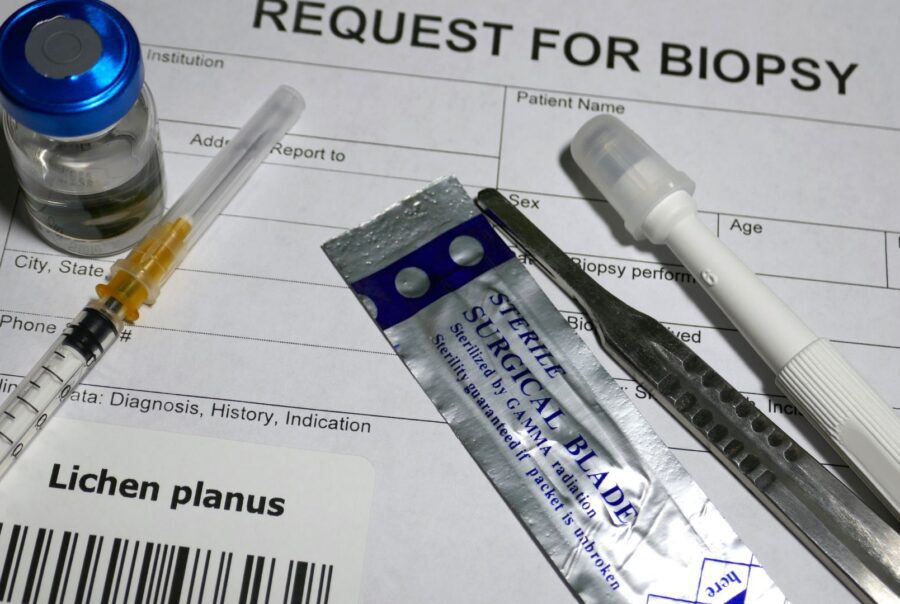
Skin punch biopsy

While the word biopsy is associated with cancer, to the dermatologist, skin biopsy is a useful diagnostic tool for any type of condition, both benign and malignant. Therefore, it should not cause fear in patients when the dermatologist suggests a biopsy. The procedure is very quick and easy, but requires good knowledge and correct technique on the part of the dermatologist.

How is a skin lesion or rash biopsied?

The biopsy site is carefully selected by the doctor and local antisepsis and anesthesia are applied. The sampling can be done with a round knife (punch biopsy) or surgically, and usually stitches are inserted at the incision site. The material obtained is sent to the histopathologist. The material can be sent for immunohistochemistry, immunofluorescence or even molecular testing depending on what is required to diagnose the problem.


Surgical removal of skin lesions

The most common benign skin tumors include moles, sebaceous and epidermal cysts, and lipomas.

Of the malignant tumors, basal cell carcinoma and squamous cell carcinoma of the skin are most often diagnosed, and more rarely, melanoma of the skin.

In the above cases, surgical removal of the lesion and its histological examination (biopsy) are usually necessary.

It is performed in the doctor’s office, with local anesthesia and all the required sterilization conditions.